The Most Rigorous Carbon Removal on Earth.
Enhanced Rock Weathering, explained — from chemistry to verification.
The ERW Mechanism
Basalt + H₂O + CO₂ → Ca²⁺ + Mg²⁺ + HCO₃⁻ (alkalinity)
Rainwater and atmospheric CO₂ react with crushed basalt, releasing alkalinity.
Alkalinity → Flows to rivers and ocean
Dissolved bicarbonate moves through the watershed toward the ocean.
HCO₃⁻ + Ca²⁺/Mg²⁺ → CaCO₃ / MgCO₃ (carbonate minerals)
CO₂ is locked in stable carbonate minerals on a ~10,000 year timescale.
Why Deccan Traps Basalt?
The Deccan Traps is one of the largest volcanic provinces on Earth, spanning much of central and western India. Its basalt is rich in calcium and magnesium silicates, with high weathering reactivity — and it sits directly beside vast tracts of agricultural land, minimising transport emissions and cost.
- • Ca/Mg silicate-rich mineralogy
- • High weathering reactivity vs. granite alternatives
- • Abundant, geologically stable reserves
- • Proximity to smallholder farmland in Madhya Pradesh
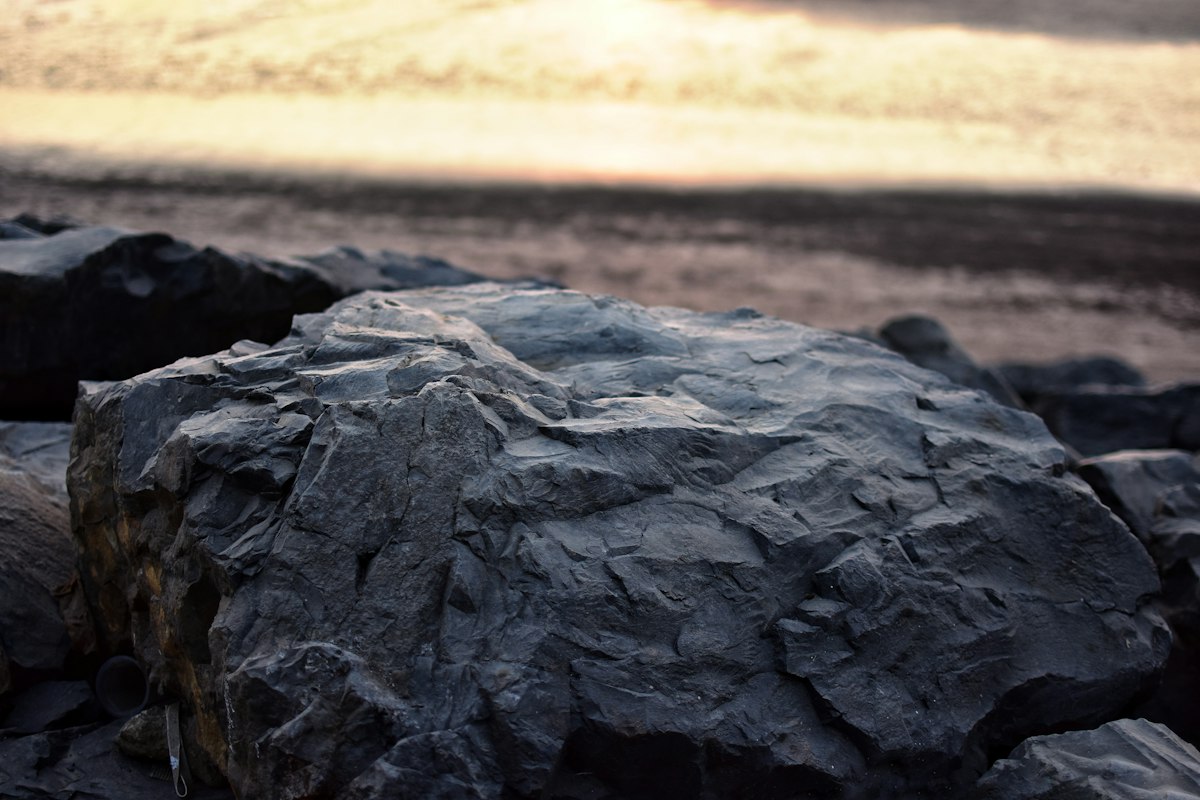
Deccan Traps basalt · Madhya Pradesh
MRV Methodology
Registered under the Isometric EW Protocol v1.2 — the most stringent enhanced weathering standard globally.
Primary Data Collection
Soil, water, and crop samples are collected across every deployment site — not modelled estimates.
DHARA dMRV Platform
Our primary-data storage and monitoring platform, currently in beta, digitises every measurement.
Lab Partners
Samples are verified through laboratories at IARI-PUSA and JNU, with third-party protocol audits.
Joint Patent in Progress
With ICAR-IARI Pusa on basalt rock fines valorisation for agricultural carbon removal.
Inventors: Dr. Bhupinder Singh, Dr. Chandan Kumar Gupta, Manish Kumar, Vaibhav Tiwari